Tornado Emergency Plan for Your Family
A tornado plan names your shelter spot (lowest floor, interior room, no windows), sets up alerts that reach you day and night, and means taking shelter the moment a warning is issued.
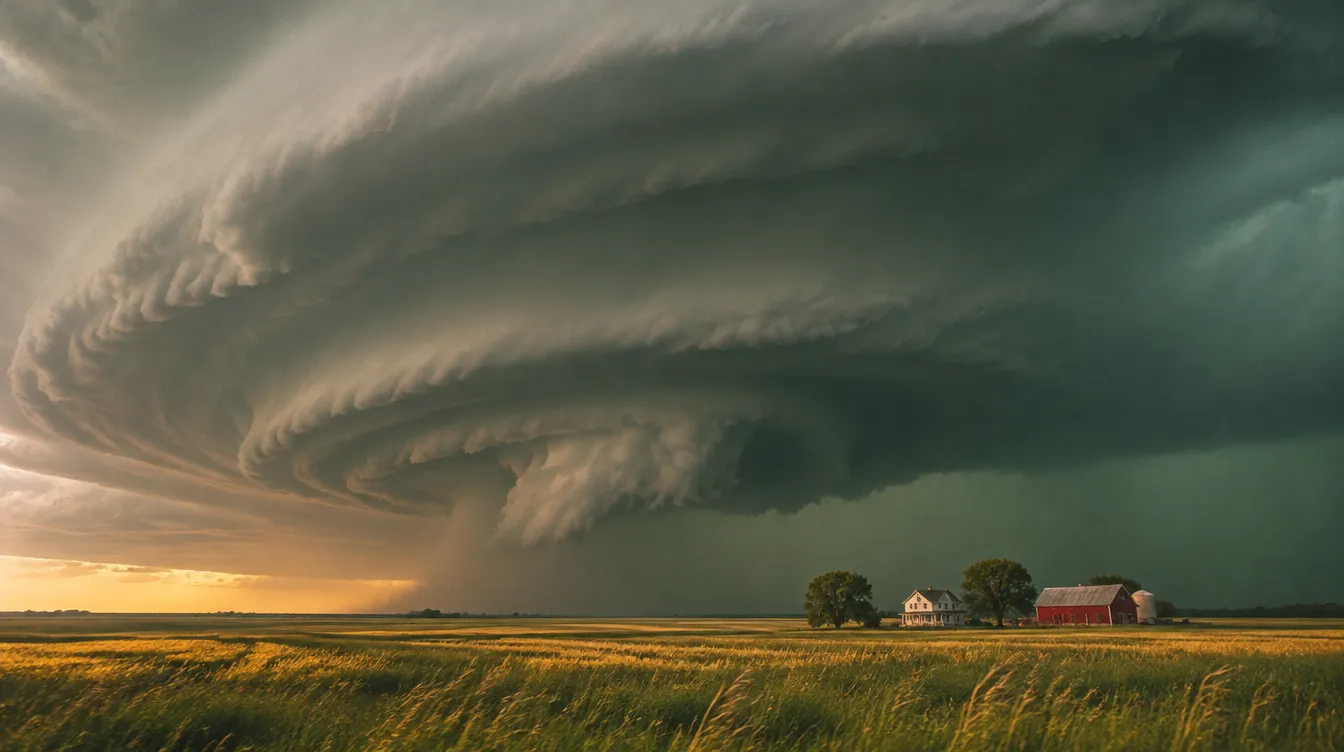
A tornado emergency plan answers three questions before a storm ever forms: where in your home (or near it) you will shelter, how a warning will reach you even at 3 a.m., and what each person does in the minutes after the alert. When a tornado warning is issued, there is usually little time to think, so the decisions need to be made now.
The core rule is simple: when a warning is issued for your area, go to the lowest floor, get into an interior room with no windows, get down and protect your head and neck. Everything else in this guide supports that one move. Follow local officials’ instructions above anything you read here.
Tornado watch vs. tornado warning
These two terms trigger different actions, so everyone in the house should know them.
| Alert | What it means | What to do |
|---|---|---|
| Tornado watch | Conditions are right for tornadoes in and near the watch area. Watches often cover many counties. | Review your plan, charge phones, bring pets in, keep shoes on and stay tuned to alerts. |
| Tornado warning | A tornado has been seen or detected on radar. There is immediate danger. | Go to your shelter now. Do not wait to see it. |
Some warnings are upgraded to a tornado emergency, which means a large, destructive tornado is confirmed and heading toward a populated area. Treat it the same way: shelter immediately, and do not try to outrun it.
Step 1: Choose your shelter spot
Walk through your home and pick the best place, plus a backup.
- Best: a safe room built to FEMA guidelines, or a storm shelter built to the ICC 500 standard.
- Next best: a basement or storm cellar.
- No basement: a small, windowless interior room on the lowest floor, such as a bathroom, closet or center hallway.
Stay away from windows, doors and outside walls. Get as low as you can, face down, and cover your head and neck with your arms. Pulling a mattress, blankets or cushions over you adds protection from debris.
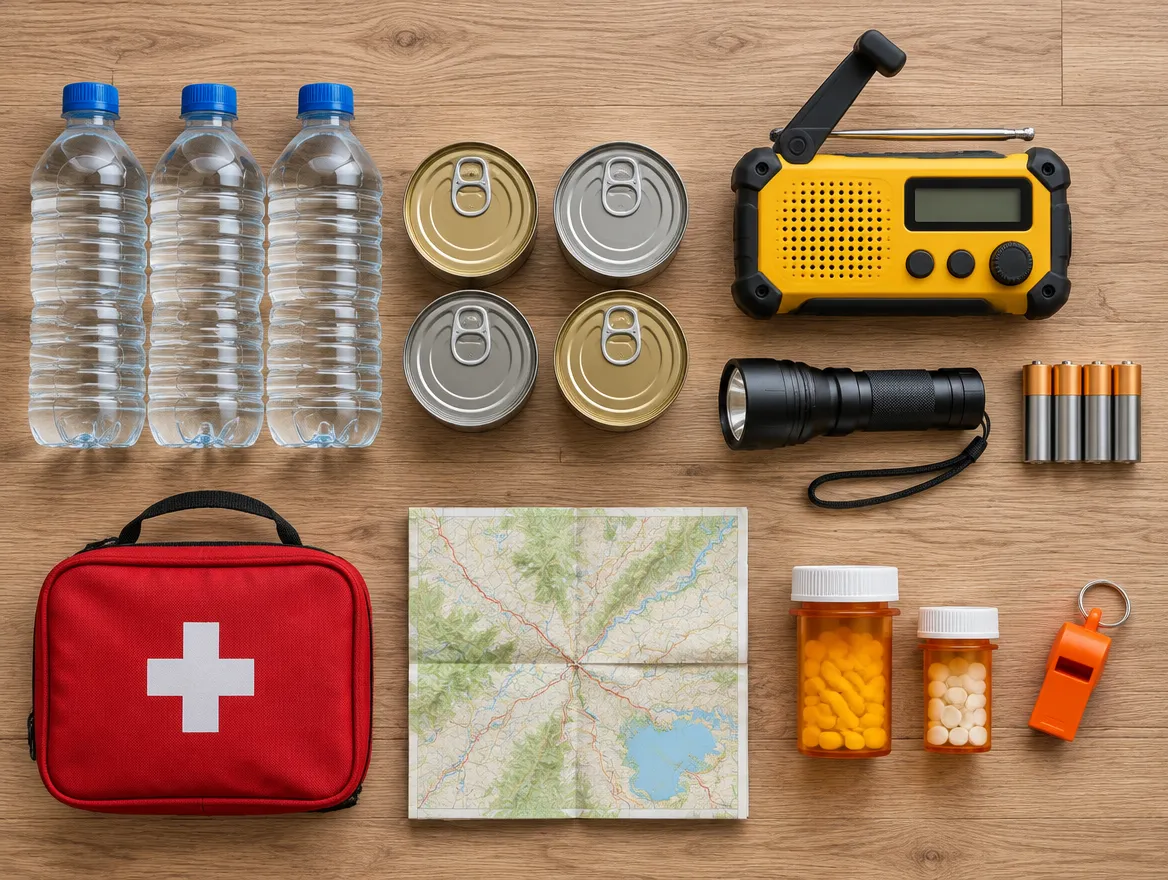
Keep a few things in or near that spot so you are not hunting for them in the dark: sturdy shoes for everyone, a flashlight, a whistle, a charged phone or power bank, and a battery or hand crank radio.
Helmets for kids (and adults)
Head and neck injuries are a major danger in tornadoes, which is why every official source tells you to protect your head. Many families keep bike, ski or sports helmets in their shelter spot, especially for children. Helmets are not a substitute for a good shelter and there is no official helmet standard for tornadoes, but they cost nothing if you already own them. Put them on once you are in the shelter, not on the way.
Step 2: Plan for mobile homes, cars and being outside
Mobile homes
A mobile or manufactured home is not safe in a tornado, even when it is tied down. If you live in one, your plan must include a sturdy building you can reach within a few minutes: a neighbor’s house with a basement, a community shelter or a public building. Some mobile home parks have a storm shelter, so ask the manager where it is.
Do not wait for a warning to move. When a tornado watch is issued for your area, it is reasonable to go to your sturdier building early, especially at night.
In a car
There is no safe option in a car during a tornado, only less dangerous ones. If the tornado is far away and traffic is light, drive at a right angle away from its path toward a sturdy building. If you are caught by strong winds or flying debris:
- Pull out of traffic lanes and park.
- Stay buckled and get your head below the windows.
- Cover your head with your arms and a coat, blanket or cushion.
- If you can get clearly lower than the road, such as a ditch, leave the car and lie flat there, covering your head.
Never shelter under a bridge or highway overpass. Wind speeds can increase there and debris funnels through.
Outdoors
Get to the nearest sturdy building. If there is none, lie flat in a low spot and cover your head and neck.
Step 3: Make sure the warning reaches you
Many tornadoes hit at night, when people are asleep. Your plan needs at least two ways to get a warning.
- Wireless Emergency Alerts (WEA). Most phones receive these automatically for tornado warnings. Check that emergency alerts are switched on in each phone’s settings, including your kids’ phones.
- NOAA Weather Radio. The National Weather Service broadcasts warnings around the clock. A weather radio with a tone alert will sound even when you are asleep and the power is out (keep batteries in it). Program it for your county.
- Local alerts and apps. Sign up for your county’s alert system and keep a trusted weather app with notifications on.
- Outdoor sirens. If your community has them, learn what they sound like. Sirens are meant to warn people outdoors, so do not count on hearing them inside.
Step 4: Cover kids, older adults, medical needs and pets
- Kids at school. Schools hold tornado drills and move students to interior hallways and small rooms, away from gyms and cafeterias. Do not rush to the school during a warning; you would be safer in shelter, and so are they. Learn the school’s reunification process and keep their contact list current.
- Young children at home. Practice going to the shelter spot as a drill. Keep a small comfort item there.
- Older adults and anyone with limited mobility. Moving takes longer, so act at the watch stage. Decide in advance who helps whom, and keep a mobility aid, glasses and hearing aids near the shelter.
- Medical needs. Keep a few days of medication and any essential devices where you can grab them. If someone depends on powered equipment, plan for an outage that lasts days.
- Pets. Bring pets inside when a watch is issued so you are not searching for them later. Keep a carrier or leash near the shelter.
Step 5: Practice twice a year
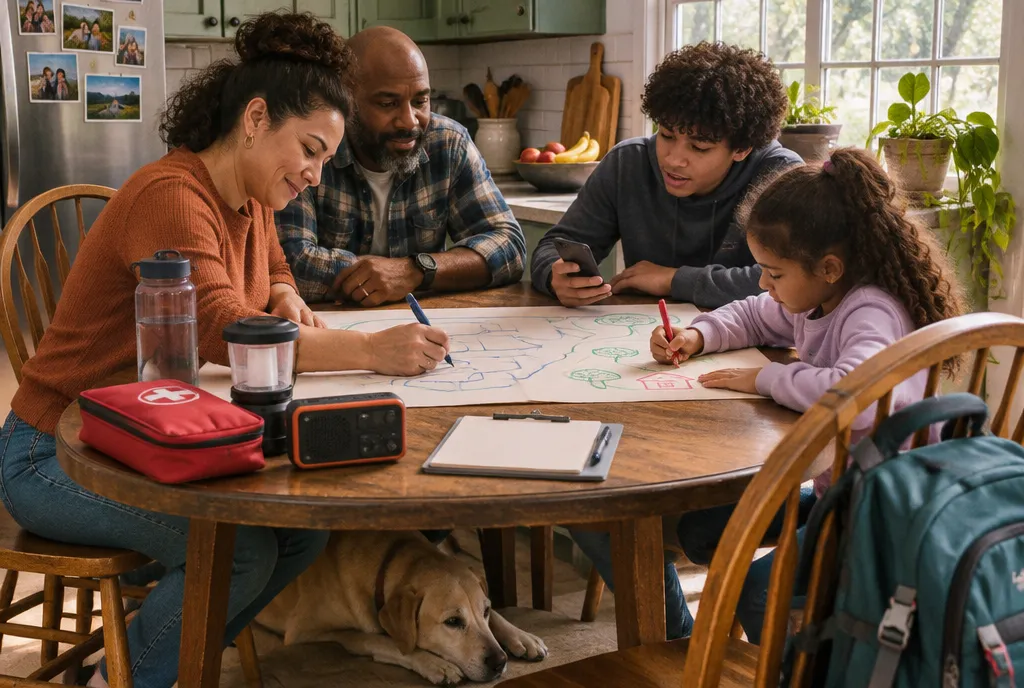
A drill takes five minutes. Announce “tornado warning!” and time how long it takes everyone to reach the shelter with shoes on. Talk through the plan for different situations: at night, when a parent is away, when you are in the car. Write it down on your family emergency plan and keep a copy in the shelter. The free family emergency plan template has a space for your shelter location and alert sources.
After the tornado
- Stay in shelter until the warning expires or officials say the danger has passed. Keep listening to your weather radio or alerts.
- Check for injuries and give first aid if you can.
- Watch for hazards. Stay clear of downed or broken power lines, report them, and leave the building if you smell gas.
- Wear protective clothing for cleanup: thick-soled shoes, long pants and work gloves. Use a mask when dealing with debris or mold.
- Text, do not call. Keep phone lines free for emergencies and check in with your out-of-area contact.
- Take photos of damage for insurance before you start cleaning up.
Tornadoes often knock out power for days, so the advice in our power outage emergency plan applies here too, including generator safety. Keep at least 3 days of water (1 gallon per person per day) and food at home; our 72-hour kit checklist has the full list.
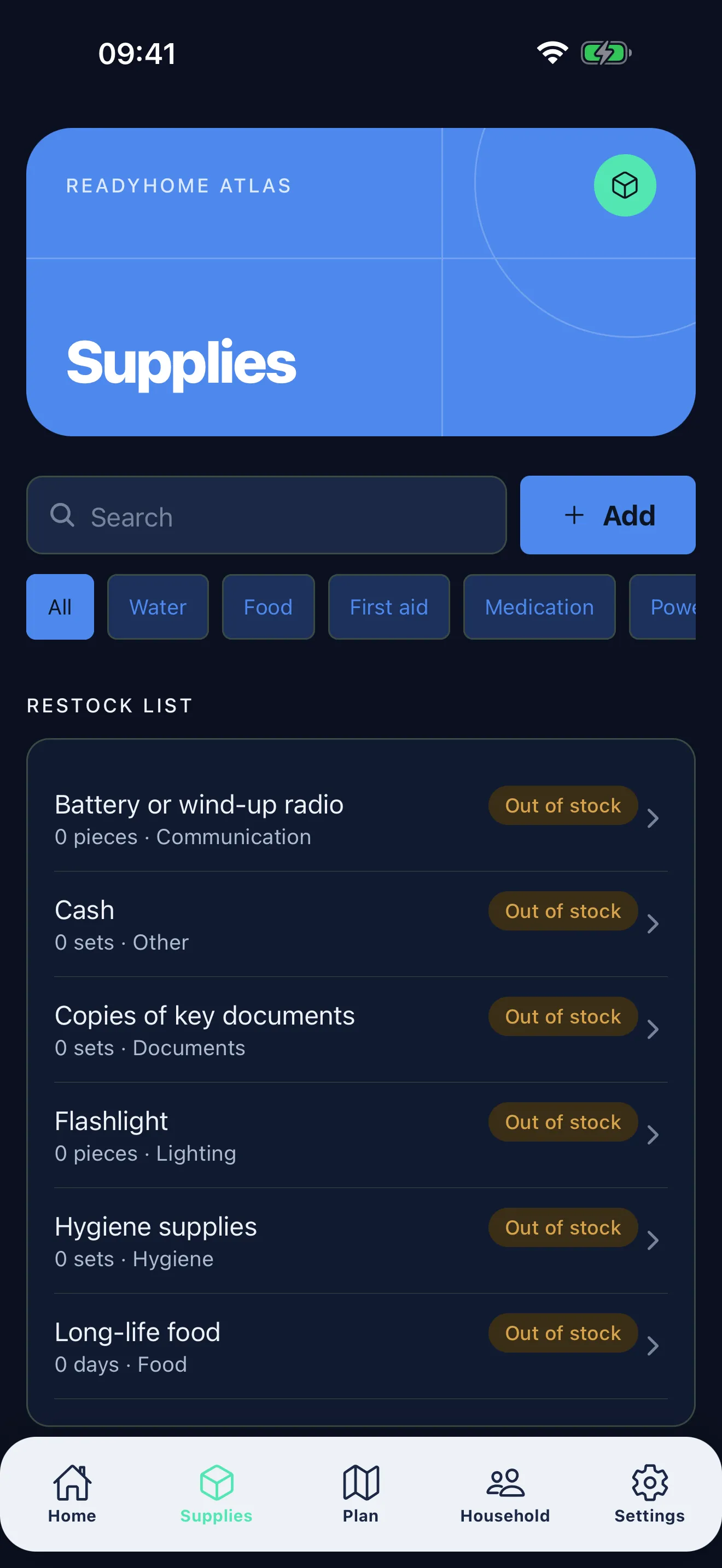
If you’d rather keep your shelter plan and checklist on your phone, ReadyHome stores them offline so they are there when the network is down.
Tornado safety plan checklist
Ticks are saved in this browser only.
Sources
- Ready.gov: Tornadoes
- National Weather Service: Tornado Watch vs. Warning
- National Weather Service: During a Tornado
- NOAA Weather Radio All Hazards
- CDC: Stay Safe During a Tornado
- Ready.gov: Public Alerts and Warnings
Always follow instructions from your local emergency management office. Call 911 in a life-threatening emergency.