Go Bag Checklist for Families
A go bag is a light, ready-to-grab bag for each person with water, snacks, meds, a flashlight, charger, document copies, cash and a change of clothes, kept by the door.
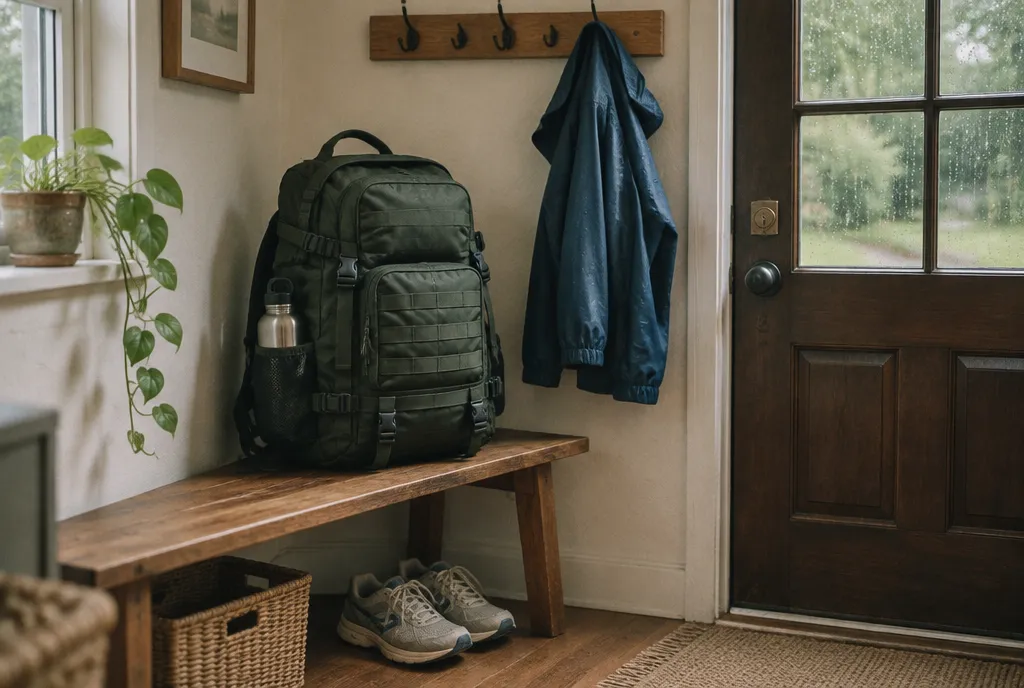
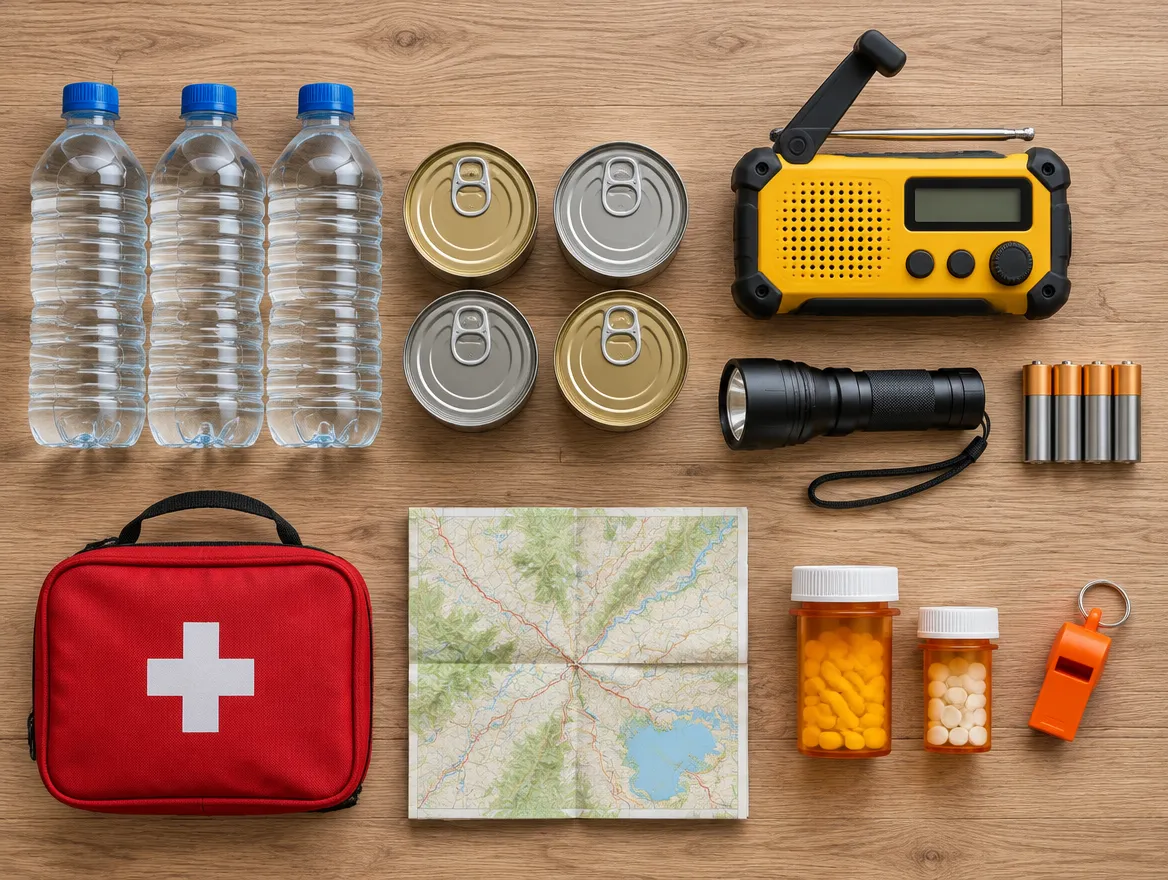
A go bag is a packed bag for each person in your home that you can grab and walk out the door with in under a minute. It holds what you need for the first few days away from home: water, snacks, medications, a light, a charger, copies of documents, some cash and a change of clothes.
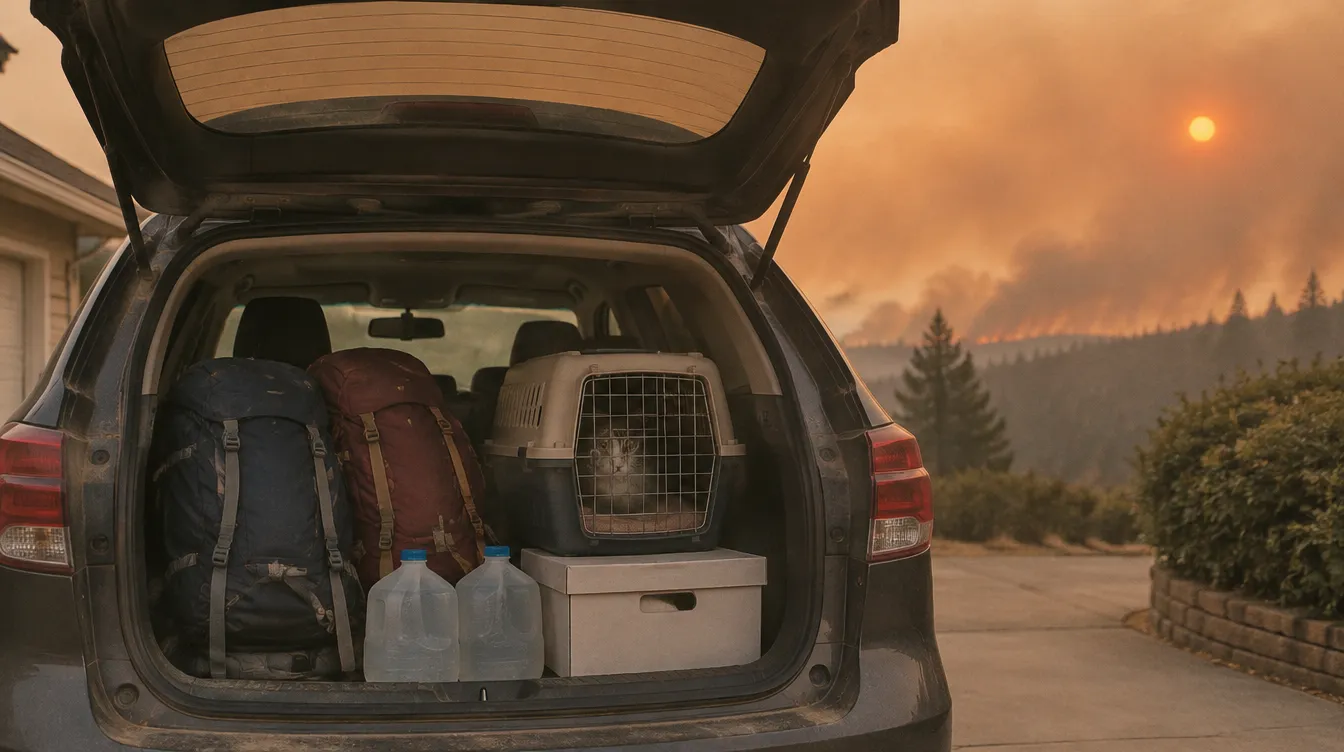
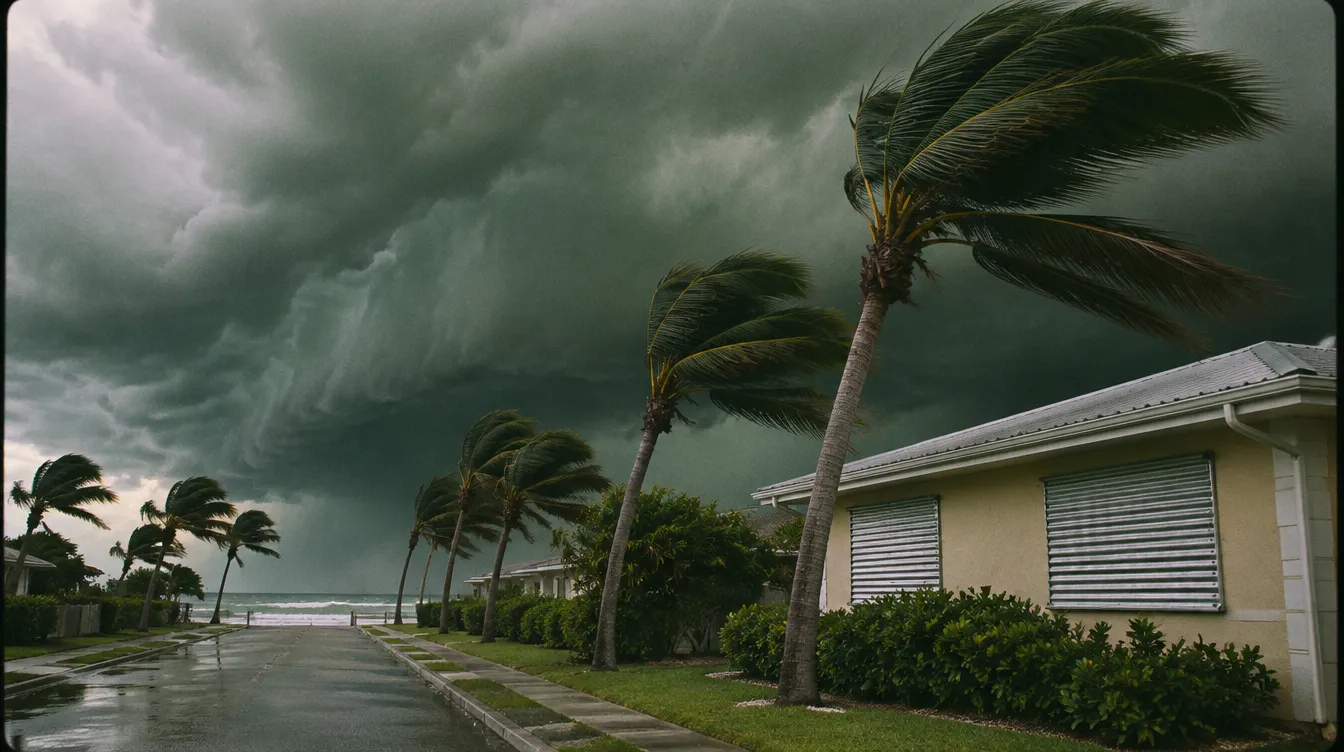
You need one when the danger is coming to you: a wildfire, a hurricane evacuation, a flood, a gas leak or a building fire. Below is a complete go bag checklist per person, extras for kids, babies, older adults and pets, and how to keep the bags ready without much effort. Local officials’ evacuation instructions always come first.
Go bag vs. 72-hour kit
These two get mixed up, and many families need both.
| Go bag | 72-hour kit | |
|---|---|---|
| Purpose | Leave home in minutes | Get through at least 3 days, at home or in the car |
| Size | One backpack per person | Bins or a large bag for the household |
| Water | A few bottles per person | 1 gallon per person per day for 3 days |
| Where | By the main exit, in the car | Closet, garage or near the go bags |
The go bag is personal and portable. The 72-hour kit is the bigger household supply of water, food, a radio, tools and sanitation items. If you have the car, you take both. If you leave on foot, you take the go bags.
The go bag checklist, per person
Use a sturdy backpack so hands stay free. Pack each person’s bag so they could carry it themselves if needed.
Water and food
- 2-3 water bottles (more if you live somewhere hot)
- High-calorie, no-cook snacks: granola bars, nut butter packets, dried fruit, crackers
- A small reusable cup or collapsible bowl
Health and medications
- At least several days of prescription medications in original containers
- A written list of medications, doses, allergies and doctors’ phone numbers
- Glasses or contacts and solution, hearing aid batteries
- Small first aid kit and any personal medical supplies
- N95 mask (useful for smoke and dust)
- Hand sanitizer and wet wipes
Ask your doctor or pharmacist how to keep a backup supply of essential medications. For refrigerated medications, plan how you will keep them cool.
Light, power and communication
- Flashlight or headlamp with extra batteries
- Phone charging cable and a charged power bank
- Whistle to signal for help
- A printed contact list with your out-of-area contact (see our emergency contact list)
- A local paper map with your evacuation routes marked
Clothing and comfort
- One change of clothes, including socks and underwear
- Sturdy closed-toe shoes if you are not likely to be wearing them
- Rain jacket or poncho, and a warm layer
- Compact emergency blanket
- Toothbrush, toothpaste and personal hygiene items
Documents and cash
Paperwork is the part people most often wish they had packed. Keep copies, not originals, in a waterproof zip bag in one adult’s go bag:
- Driver’s licenses, passports and birth certificates
- Insurance policies (home, renters, auto, health) and policy numbers
- Medical records, prescriptions and vaccination records
- Deed or lease, vehicle titles and recent bank statements
- Pet records and recent photos of each pet
Also save scans on an encrypted USB drive and in secure cloud storage, so you can reach them even if the paper copies are lost.
Pack some cash in small bills. When the power is out, card readers and ATMs may not work, and small bills make it easier to pay for gas, food or a room without needing change.
Extras for kids and babies
Children cope better when something familiar comes with them.
- Kids: a comfort item, snacks they actually like, a small book, cards or coloring kit, and a card in their bag with your phone numbers and the meeting place. Let older kids help pack their own bag.
- Babies and toddlers: diapers, wipes, formula or baby food, bottles, a spoon, a change of clothes or two, a blanket and any medications. Pack more diapers than you think you need.
Kids grow fast, so check clothing sizes each time you review the bags.
Older adults and people with medical needs
Pack extra medication, a copy of prescriptions, spare glasses, and chargers for any powered medical devices. Include a card listing conditions, medications, allergies and the name of a doctor. For anyone who uses a walker, wheelchair or oxygen, plan how that equipment travels with them and who helps. Keep the bag light enough for that person, or assign another family member to carry it.
Pets
Pets need their own go bag. Pack:
- Food and water for several days in airtight containers, plus bowls
- Medications and a copy of vet and vaccination records
- Leash, collar with ID tag, harness, and a backup set
- A sturdy carrier for each pet
- Litter and a small litter pan, or waste bags
- A recent photo of you with your pet, to prove ownership if you are separated
- A familiar toy or blanket
Make sure your pet is microchipped and the contact details on the chip are current. Many public shelters accept only service animals, so list pet-friendly hotels and friends along your evacuation routes.
How heavy should a go bag be?
A go bag you cannot carry is not much use. There is no official weight limit, but a practical test works: put the bag on and walk around the block. If it hurts or slows you down, take things out. Heavy items like extra water belong in the household kit or the car, not on your back.
Some tips for keeping it light:
- Choose a backpack with padded shoulder straps and a chest or hip strap.
- Pack heavy items close to your back and near the middle of the bag.
- Use travel-size toiletries and lightweight clothes that dry quickly.
- Give younger kids a small bag with only their comfort item, snacks and a contact card. Adults carry the rest.
When you have only minutes
The point of a go bag is that you do not have to think when an alert arrives. When you get an evacuation warning or order:
- Grab the go bags and get everyone, including pets, together.
- Add the last-minute items you could not pack in advance: phones, wallets, keys, daily medications and glasses.
- Put on sturdy shoes and weather-appropriate clothes.
- Tell your out-of-area contact you are leaving and where you are going.
- Follow the route officials give you. Do not take shortcuts that may be blocked.
Keep a sticky note inside the top of each bag listing those last-minute items. In a hurry, a written list beats memory.
Where to keep your go bag
Keep the bags together somewhere everyone knows and can reach quickly, such as a hall closet near the front door or by the door to the garage. Do not bury them in an attic or basement.
A smaller version is worth keeping in the car and at work, since an emergency can start while you are away. For a specific threat, see how a go bag fits into a wildfire evacuation checklist.
Check it twice a year
A go bag only works if what is inside still works. Twice a year (the daylight saving time changes in spring and fall are an easy reminder):
- Replace expired water, snacks and medications.
- Test flashlights and recharge the power bank.
- Swap clothes for the season and for kids who have grown.
- Update document copies, phone numbers and the medication list.
- Restock anything you used.
If you’d rather track expiry dates on your phone, ReadyHome reminds you when supplies are about to expire and works fully offline.
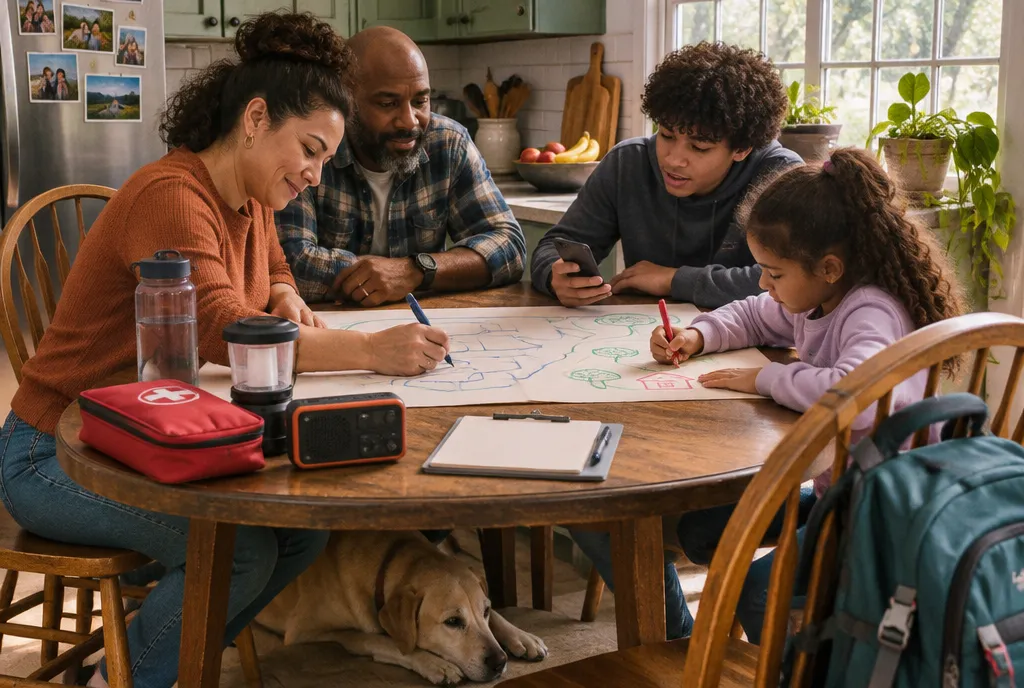
Write the location of your go bags into your family emergency plan so everyone knows where they are, including babysitters and visiting relatives. The free family emergency plan template has a spot for it.
Go bag checklist (per person)
Ticks are saved in this browser only.
Sources
- Ready.gov: Build a Kit
- American Red Cross: Survival Kit Supplies
- Ready.gov: Prepare Your Pets for Disasters
- Ready.gov: Financial Preparedness
- Ready.gov: Evacuation
Always follow instructions from your local emergency management office. Call 911 in a life-threatening emergency.