Emergency Plan for a Flood: Before, During and After
Check your flood risk, buy flood insurance at least 30 days ahead, move to higher ground when warned, never walk or drive through floodwater, and return only when it is safe.
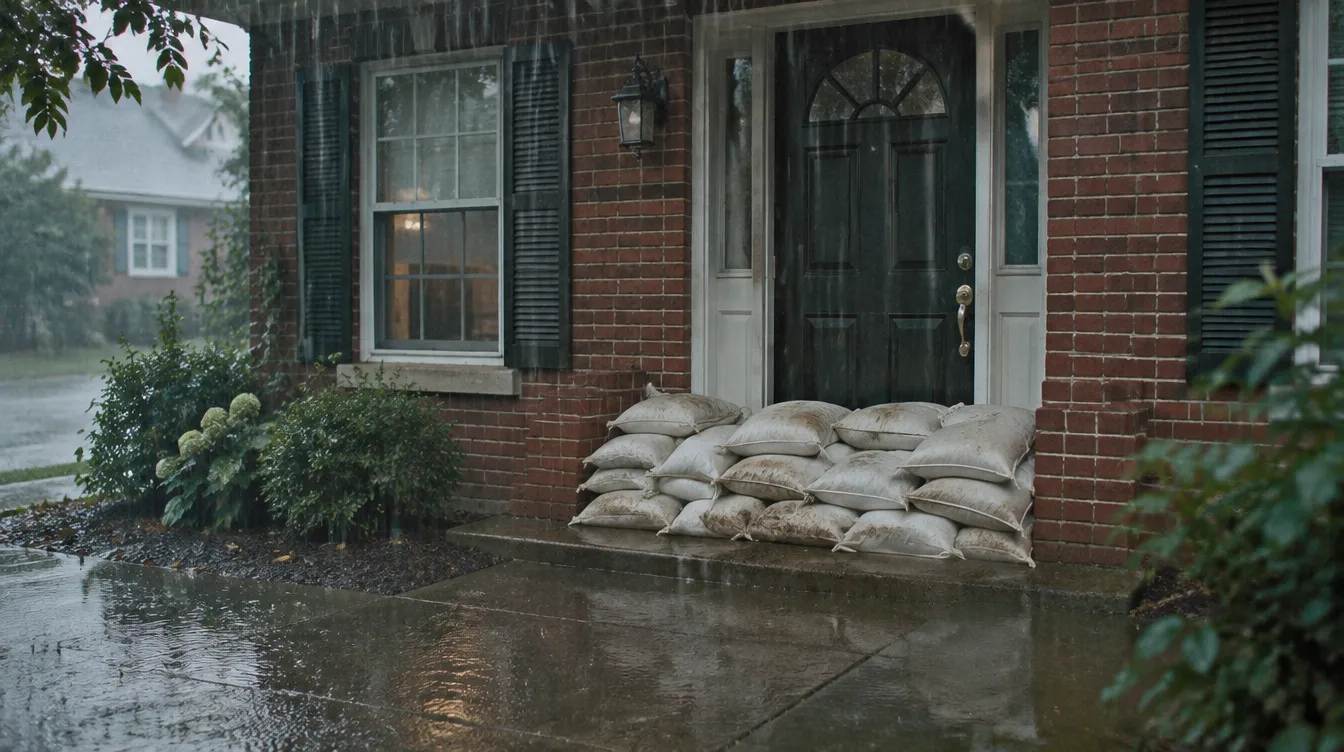
An emergency plan for a flood has three parts: know your risk and insure against it before anything happens, know exactly where you will go when water starts rising, and know how to stay safe when you come back. Floods can happen almost anywhere it rains, not only near rivers and coasts.
The single most important rule is simple: never walk, swim or drive through floodwater. Beyond that, follow instructions from your local officials first. They know which roads flood and where shelters are open.
Step 1: Check your flood risk
Start by looking up your address on FEMA’s Flood Map Service Center (msc.fema.gov). The map shows whether your home is in a high-risk flood zone. Keep in mind what Ready.gov points out: flooding does not follow lines on a map. Homes outside mapped zones flood too, especially from heavy rain, snowmelt, overwhelmed storm drains or a dam or levee failure.
Ask your local emergency management office about the flood history of your area and which roads tend to flood first.
Step 2: Buy flood insurance early
Standard homeowner’s and renter’s policies do not cover flooding. Flood insurance is a separate policy, available through the National Flood Insurance Program at FloodSmart.gov and from some private insurers. It typically takes up to 30 days for a policy to go into effect, so you cannot wait until a storm is in the forecast.
Renters can buy coverage for their belongings even if the landlord insures the building. While you are at it, photograph or video every room and your valuables, and store the files somewhere you can reach from any device.
Lower the damage before a flood
Some flood preparedness work around the house pays off for years:
- Keep gutters, downspouts and nearby storm drains clear so rain can drain away.
- If your basement takes on water, install a sump pump and consider a battery backup for it.
- Ask a plumber about a backflow valve, which helps keep sewer water from coming up through floor drains.
- Store important papers, photos and anything you cannot replace on upper floors or shelves, in waterproof containers.
- Know where your electrical panel and main water and gas shutoffs are, and how to use them.
None of this replaces leaving when officials tell you to, but it can make cleanup and recovery much easier.
Step 3: Know the alerts
The National Weather Service uses four flood alerts:
| Alert | What it means | What to do |
|---|---|---|
| Flood Advisory | Flooding may become a nuisance | Be aware, use caution |
| Flood Watch | Conditions are favorable for flooding | Be prepared, review your plan |
| Flood Warning | Flooding is imminent or already happening | Take action now |
| Flash Flood Warning | A flash flood is imminent or occurring | Move to higher ground immediately |
Sign up for local alerts by text and app, and keep a battery-powered radio in case power and cell service go down.
Flash floods vs river flooding
Flash floods are sudden and violent. They can follow heavy rain within minutes or hours, and you may have little to no warning. They are especially dangerous in low spots, near creeks and in canyons and dry washes.
River and coastal flooding usually builds over hours or days as water rises upstream or a storm approaches. That gives you more time, but the water can stay high for days and cut off roads. Your plan needs to cover both: a quick escape to high ground for flash floods, and a full evacuation for slower floods.
Step 4: Make your flood evacuation plan
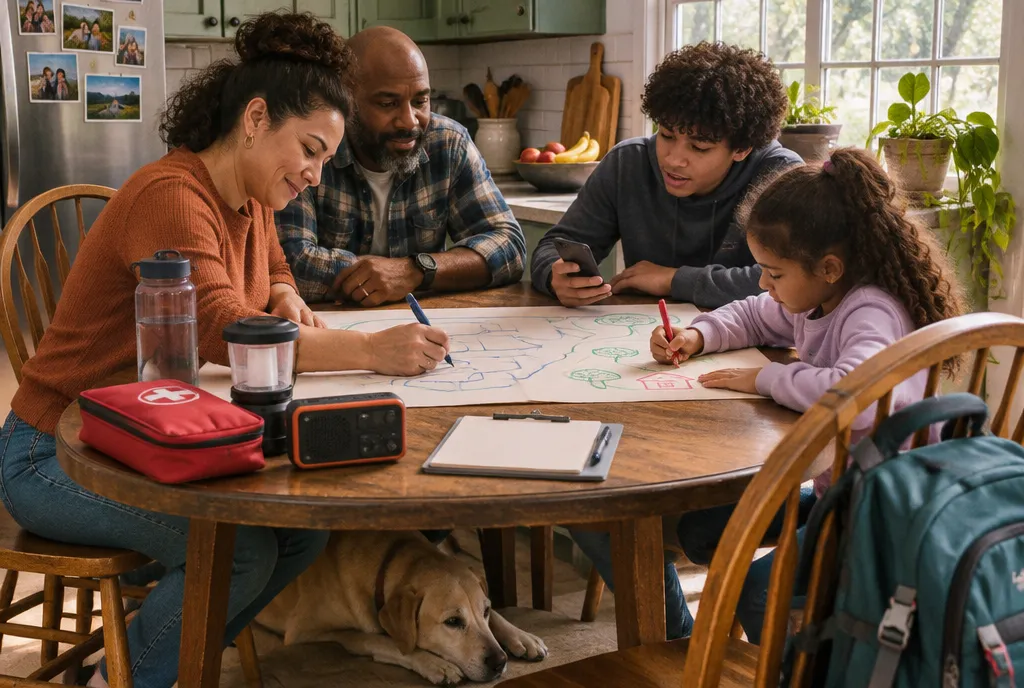
Write down the answers to these questions with everyone in your household. Our free printable plan builder and the family emergency plan guide walk you through it.
- Where is your nearest high ground? Pick a place you can reach quickly on foot or by car, for a flash flood.
- Where will you go for a longer evacuation? Friends or family outside the flood area, a hotel, or a shelter announced by local officials.
- Which routes will you use? Plan at least two, avoiding underpasses, low bridges and roads that flood.
- How will you reach each other? Choose an out-of-area contact and a meeting place. Our emergency contact list guide shows what to include.
- Who needs extra help? Older adults, people with disabilities, babies and anyone using medical equipment may need more time. Plan to leave early.
- What about pets? Know which shelters and hotels accept them, and keep carriers and leashes ready.
Pack before you need to
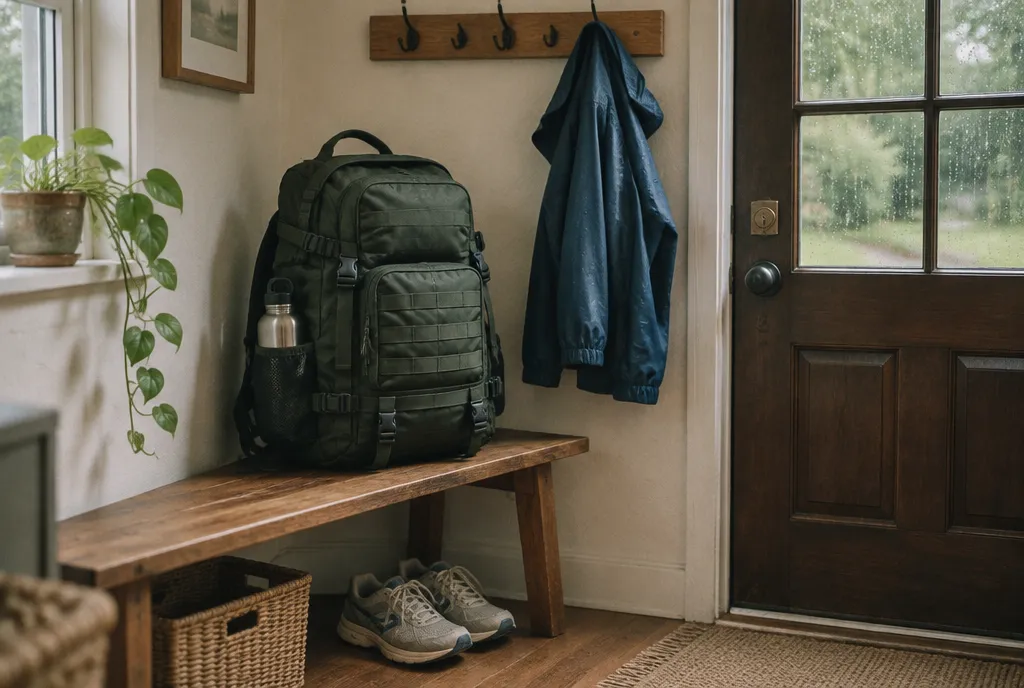
Keep a go bag for every person, with water (at least 1 gallon per person per day), non-perishable food, medications, flashlights, a phone charger, cash and copies of IDs and insurance papers in a waterproof bag. Add rubber boots and gloves if your area floods often.
Step 5: What to do in a flood
When a flood watch is issued
- Charge phones and power banks.
- Move valuables, important papers and electronics to higher floors.
- Bring in outdoor items that could float away.
- Fill your gas tank and put your go bags by the door.
- If you have a sump pump, check that it works.
When a flood warning is issued
If you are told to evacuate, leave immediately. If you are not told to leave, move to higher ground or the highest floor of your home. If you are trapped by rising water, go to the highest level of the building, but do not climb into a closed attic, where you could be trapped. Go onto the roof only if necessary, and signal for help.
Turn off utilities only if officials tell you to or you can do it safely without standing in water.
Turn around, don’t drown
This is where most flood deaths happen. The National Weather Service says:
- 6 inches of fast-moving water can knock over an adult.
- 12 inches of rushing water can carry away most cars.
- 2 feet of rushing water can carry away SUVs and trucks.
- Over half of flood-related drownings occur when a vehicle is driven into hazardous floodwater.
You cannot tell how deep water is or whether the road underneath has washed out. If you see water over a road, turn around and find another way. Do not drive around barricades. If your car stalls in rising water and you can get out safely, get out and move to higher ground.
Step 6: After the flood
The water going down does not mean the danger is over.
- Return only when officials say it is safe.
- Stay out of floodwater. It can be contaminated with sewage and chemicals and hide sharp debris, open drains and downed power lines.
- Avoid electrocution. Do not touch electrical equipment if it is wet or if you are standing in water. Have an electrician check your system before you turn power back on.
- Watch for carbon monoxide. Run generators and pressure washers outdoors only, away from windows and doors.
- Protect yourself while cleaning. Wear boots, long pants, work gloves, eye protection and an N95 respirator.
- Dry fast. Dry your home and belongings within 24 to 48 hours if you can. If you cannot, assume mold is growing. Throw out wet items that cannot be dried or cleaned.
- Check your water. Follow local guidance on whether tap water is safe to drink.
- Document everything. Photograph damage before you clean up, and contact your insurer.
Flooding is hard on everyone, including kids. Talk about what happened, keep routines where you can, and reach out for support if you need it.
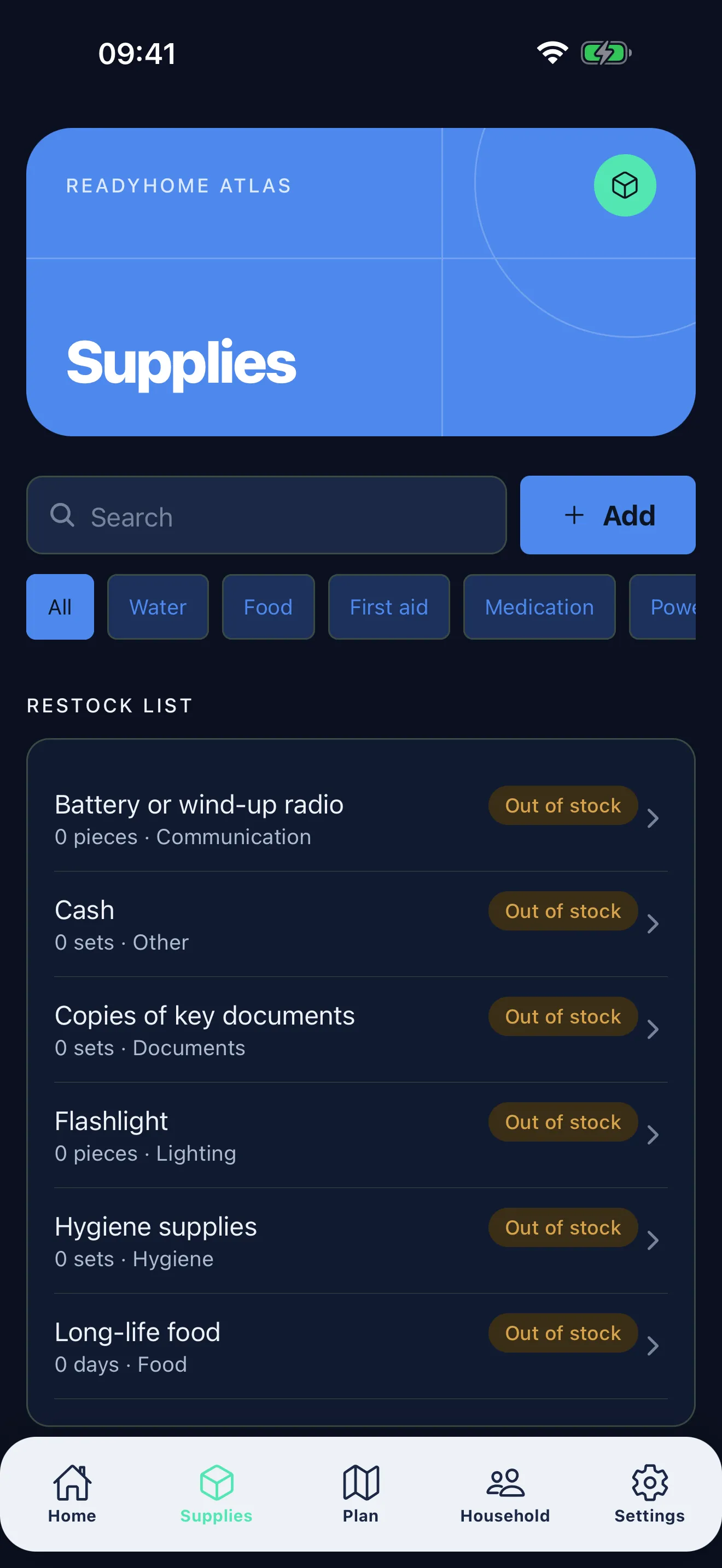
If you’d like your flood plan, contacts and supply list on your phone even without a signal, ReadyHome keeps them offline. For coastal storms, also read our hurricane emergency plan.
Flood preparedness checklist
Ticks are saved in this browser only.
Sources
- Ready.gov: Floods
- National Weather Service: Turn Around Don't Drown
- National Weather Service: Flood Watch vs. Flood Warning
- American Red Cross: Flood Safety
- FloodSmart (National Flood Insurance Program)
Always follow instructions from your local emergency management office. Call 911 in a life-threatening emergency.