Hurricane Emergency Plan: How to Prepare Your Family
Know your evacuation zone, prepare your home and documents early, leave right away if officials order it, and avoid floodwater and generator fumes after the storm.
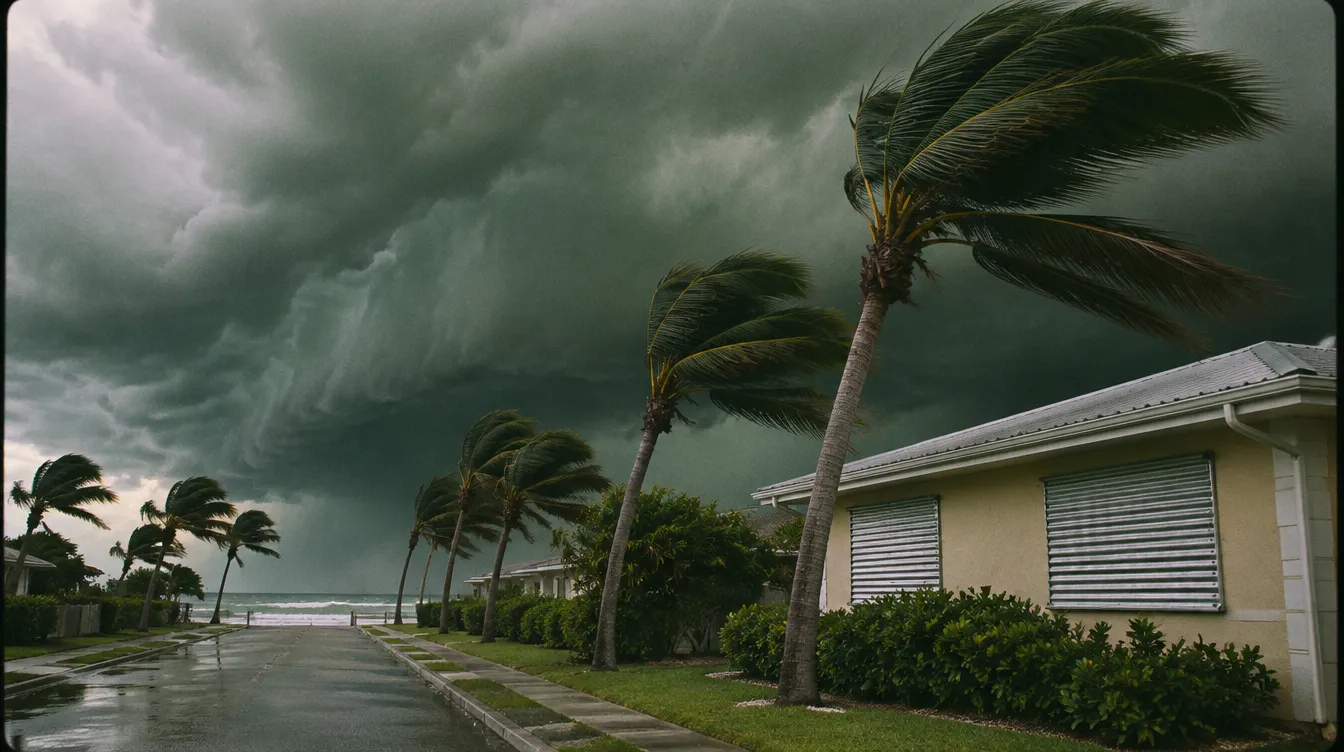
A hurricane emergency plan tells everyone in your household three things: whether you live in an evacuation zone, where you will go if you have to leave, and how you will get through several days without power or water if you stay. Hurricanes usually give you days of warning, which is the good news. The plan is how you use that time well.
Make the plan before hurricane season, which runs June 1 to November 30 in the Atlantic. Then, when a storm is forecast, you only need to act on it. Throughout, follow your local emergency managers. They give the latest recommendations based on the threat to your community.
Step 1: Know your evacuation zone
Look up your evacuation zone on your county or state emergency management website, usually by entering your address. Write it down, and know the zones for work, school and anyone you care for.
Evacuation zones are mainly about water, not wind. Storm surge is the abnormal rise of seawater pushed ashore by a storm, and the National Hurricane Center notes it can reach 20 feet or more in some cases when it lines up with high tide. Historically, storm surge has been the leading cause of hurricane-related deaths in the United States. That is why officials may order you to leave even when the forecast wind does not sound extreme.
If you are in a mandatory evacuation zone and officials tell you to evacuate, do so immediately.
Step 2: Decide where you will go
Pick your destination now, while you can think clearly:
- First choice: friends or family inland, outside the evacuation area
- Second choice: a hotel or motel inland (many book up fast once a storm is named)
- Last resort: a public shelter announced by local officials
Plan at least two routes out. Keep your gas tank full once a storm is in the forecast, since lines at gas stations grow quickly. If you do not drive, ask your local emergency management office about evacuation transportation now.
Check whether your destination accepts pets. Many shelters only accept service animals, so line up a pet-friendly option ahead of time.
Step 3: Understand watches and warnings
| Alert | What it means | Timing |
|---|---|---|
| Hurricane Watch | Hurricane conditions (sustained winds of 74 mph or more) are possible in your area | Issued 48 hours before tropical storm force winds are expected |
| Hurricane Warning | Hurricane conditions are expected somewhere in the area | Issued 36 hours before tropical storm force winds are expected |
| Storm Surge Watch | Life-threatening flooding from rising seawater is possible | Generally within 48 hours |
| Storm Surge Warning | Life-threatening flooding from rising seawater is a danger | Generally within 36 hours |
Tropical storm force winds arrive well before the eye of the storm, and outdoor preparation becomes dangerous once they start. Use the watch to finish preparing.
Step 4: Pack supplies and documents
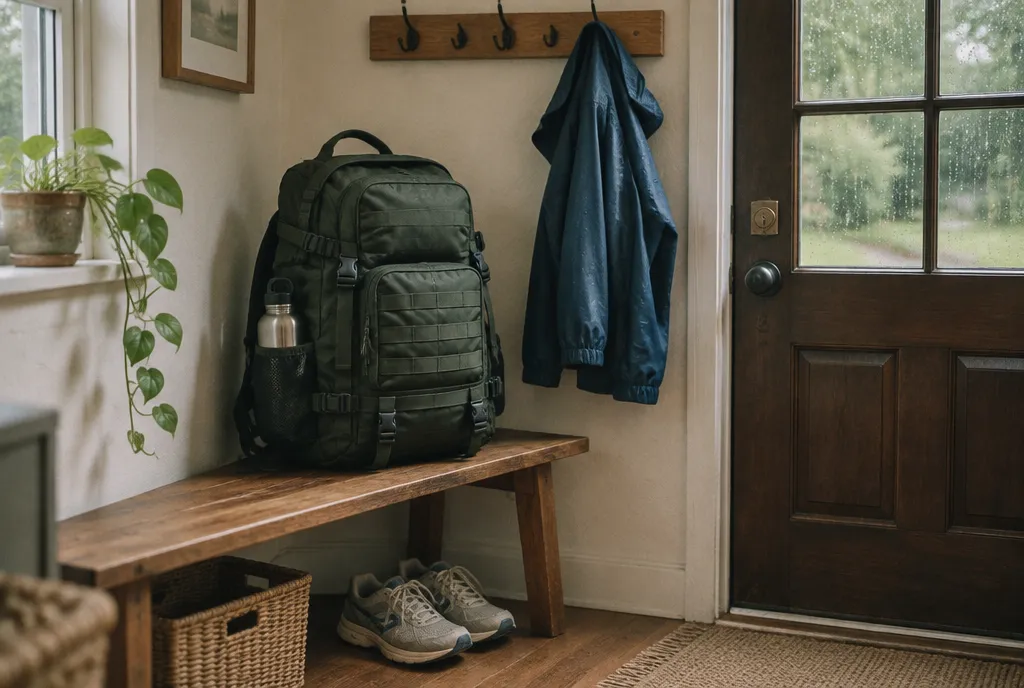
Pack a go bag for every person so you can leave within minutes. If you are not in an evacuation zone and plan to stay, also stock supplies for several days at home. Our 72-hour kit checklist is a good baseline.
Key items:
- Water: at least 1 gallon per person per day
- Non-perishable food and a manual can opener
- Prescription medications and medical supplies
- Flashlights, spare batteries and a battery-powered radio
- Phone chargers and power banks
- Cash, since card readers may not work without power
- Pet food, water, medications, leashes and carriers
Protect your documents
Put copies of IDs, insurance policies, property deeds or leases, medical records and prescriptions in a waterproof bag. Take photos or video of every room and your belongings for insurance claims. Store digital copies somewhere you can reach from any device.
Step 5: Prepare your home
When a storm is forecast:
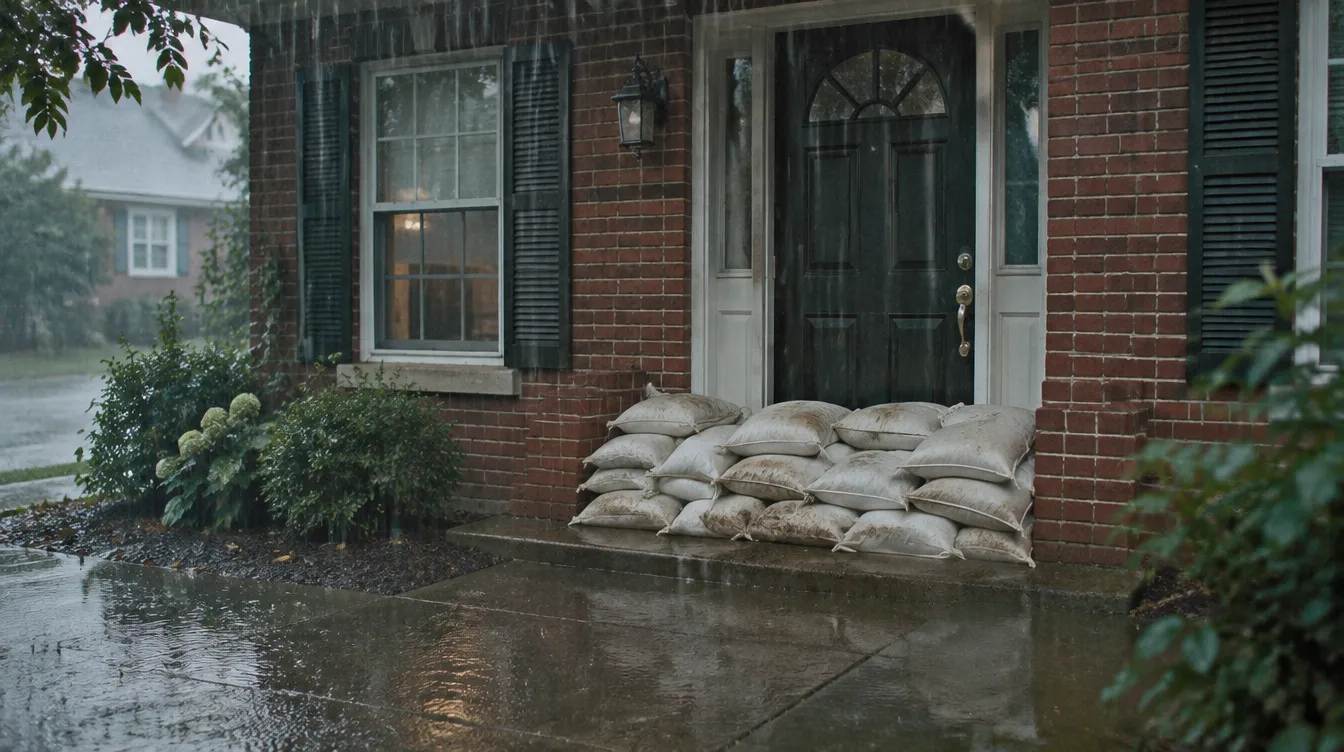
- Bring in outdoor furniture, grills, trash cans and anything wind can turn into a projectile.
- Close storm shutters, or board up windows if you do not have shutters.
- Clear gutters and drains so rain can run off.
- Move valuables and important papers to a higher floor.
- Charge phones and power banks, and fill clean containers with water.
- Learn how to turn off your utilities, but only shut them off if officials tell you to or you suspect damage.
Review your homeowner’s or renter’s insurance before the season. Standard policies usually do not cover flooding, and flood insurance typically takes 30 days to start. Our flood emergency plan explains why that matters.
Step 6: Plan for people with extra needs
If anyone in your home uses powered medical equipment, oxygen or refrigerated medicines, talk to their doctor about a power outage plan and register with your utility if it offers a medical needs list. Older adults and people with disabilities may need more time to evacuate, so plan to leave early. Talk with kids about the plan in simple, calm terms so they know what will happen.
A yearly routine before hurricane season
Hurricane plans go stale. Pick a date in May, before the season starts, and run through this list each year:
- Confirm your evacuation zone, since local maps are sometimes updated.
- Check expiration dates on stored water, food, batteries and medications, and replace what has expired.
- Update your contact list, especially if anyone has a new phone number, school or job.
- Review your insurance and decide whether you need flood coverage.
- Test your battery-powered radio, flashlights and power banks.
- Walk through the plan with kids, including where you will go and who will pick them up from school.
Doing this when the weather is calm means you only need to act, not plan, when a storm is named.
Shelter in place vs evacuate
If you are ordered to evacuate, go. If you are not in an evacuation zone, the American Red Cross says you will need to decide whether to leave the area, move to higher ground nearby or stay home. Consider leaving if:
- You live in a mobile home or a building that is not built for high winds
- You live in a flood-prone area, even outside an official zone
- Someone in your home depends on electricity for medical care
If you shelter in place, stay inside, away from windows, in an interior room on the lowest floor that is not at risk of flooding. If you get trapped by rising water, go to the highest level of the building. Do not climb into a closed attic, where you can be trapped. Expect to lose power and water, and to be unable to leave for several days.
After the storm
Many hurricane injuries and deaths happen after the storm has passed.
- Wait for the all clear. Return home only when officials say it is safe.
- Stay out of floodwater. Six inches of fast-moving water can knock you down, and one foot can sweep away a vehicle. Floodwater can carry sewage, chemicals and dangerous pathogens. Turn around, don’t drown.
- Avoid electrical hazards. Do not touch electrical equipment if it is wet or you are standing in water. Stay away from downed power lines.
- Prevent carbon monoxide poisoning. Run generators outdoors only, at least 20 feet from windows, doors and attached garages. Never use grills or camp stoves indoors.
- Communicate wisely. Text instead of calling to keep phone lines open for emergencies.
- Document damage. Take photos before you clean up and contact your insurer.
Recovery can be stressful for adults and kids alike. Keep routines where you can, and reach out for support.
Put the plan where everyone can find it
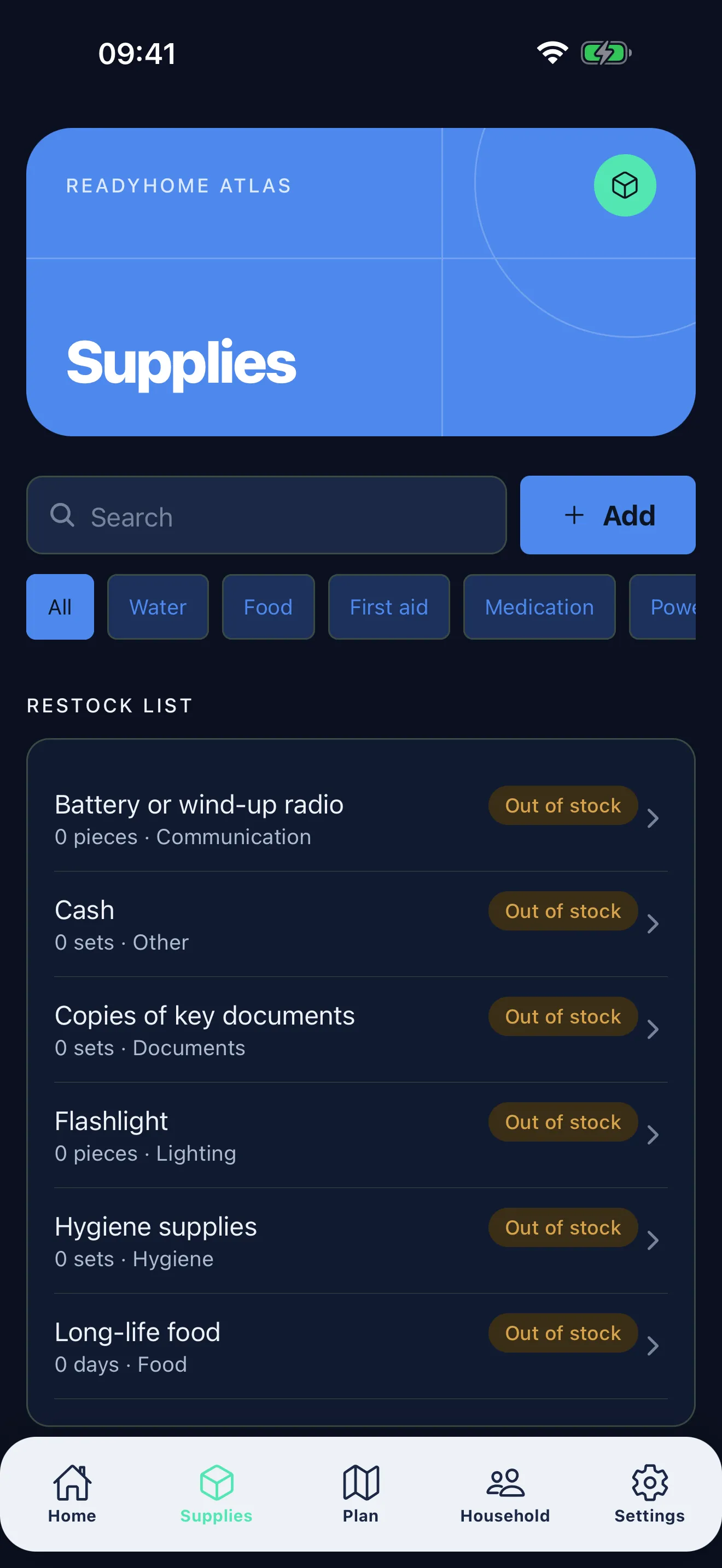
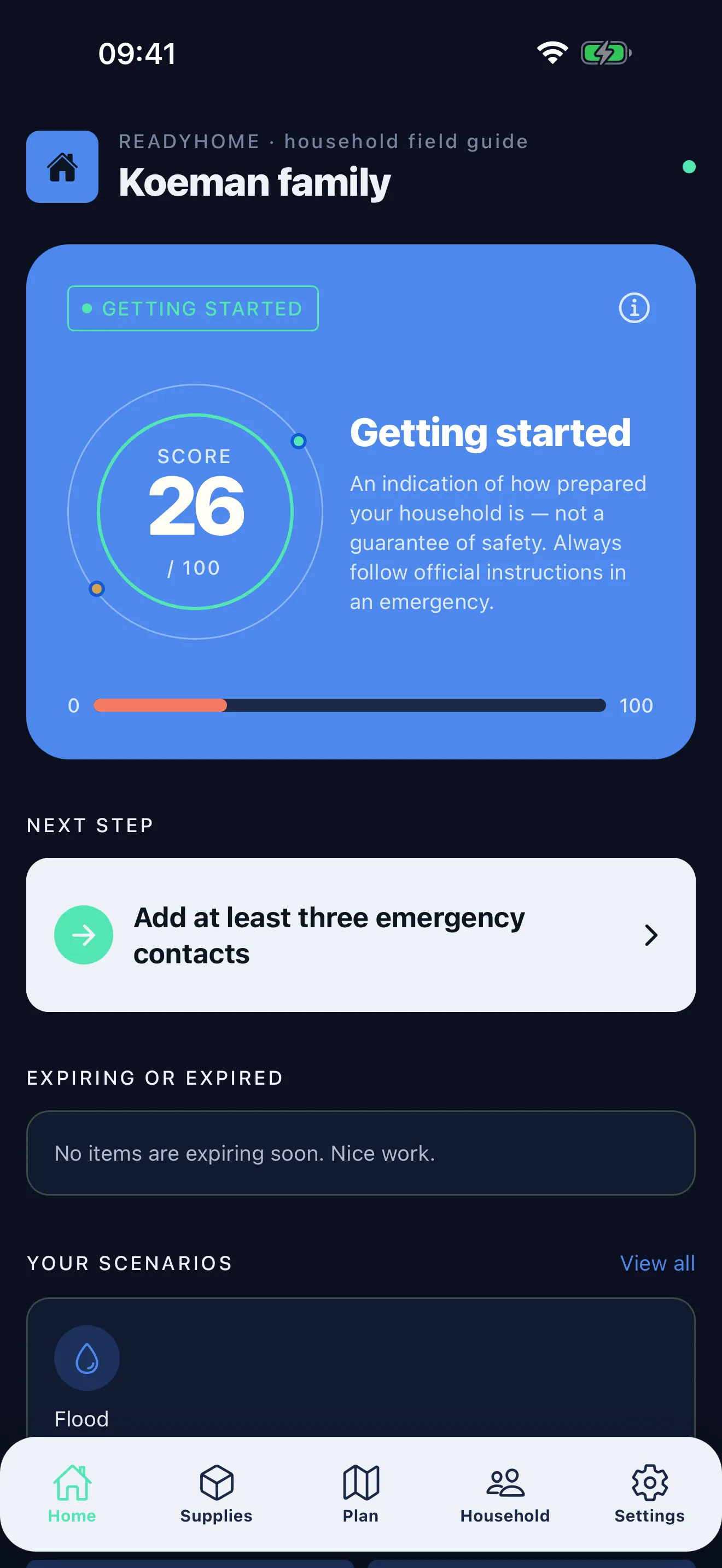
Write your evacuation zone, destination, routes and contacts into your family emergency plan, and share it with everyone in your household and an out-of-area contact. If you want the plan, supply list and evacuation route on your phone without needing a signal, ReadyHome keeps it all offline.
Hurricane preparedness checklist
Ticks are saved in this browser only.
Sources
- Ready.gov: Hurricanes
- National Weather Service: Hurricane Watches and Warnings
- National Hurricane Center: Storm Surge Overview
- American Red Cross: Hurricane Safety
- Ready.gov: Generator Safety
Always follow instructions from your local emergency management office. Call 911 in a life-threatening emergency.